Winter Windshield Care Tips for Calgary Drivers
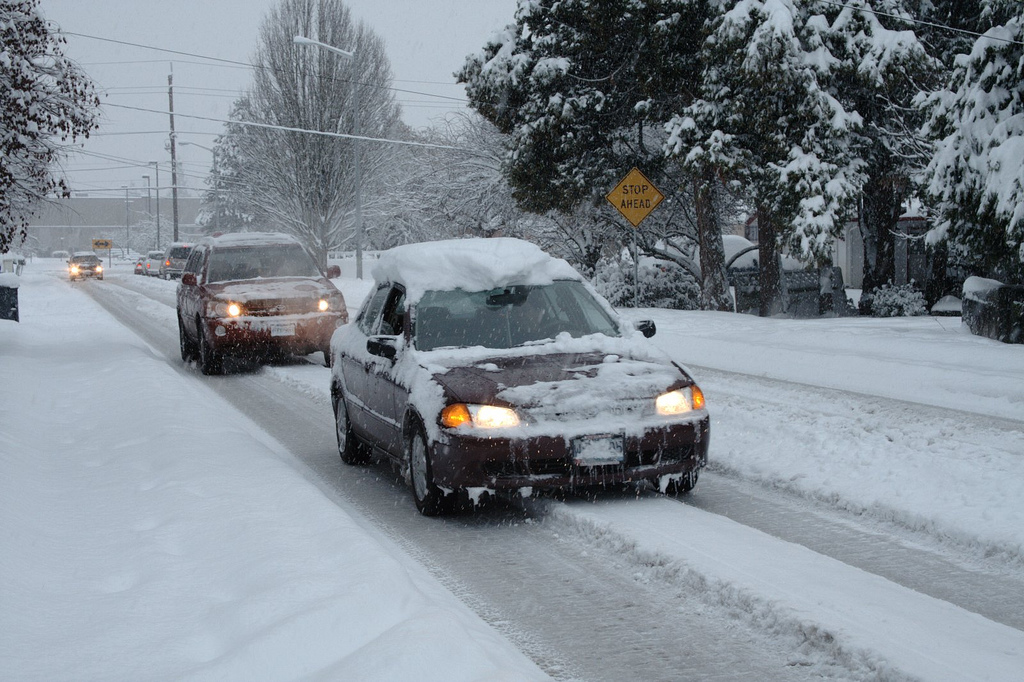
If you live in Calgary, Airdrie, Chestermere, Cochrane, or anywhere in southern Alberta, you know the routine all too well. You wake up, pull back the curtain, and your car is buried under a thick layer of fresh snow. The temperature is sitting around –25°C, your windshield is completely frosted over, and you need to be out the door and on the road in less than an hour. In that stressful rush, it’s easy to make desperate choices just to get moving. Unfortunately, many of those quick decisions can quietly damage your windshield, weaken your auto glass, and leave you with a bill for a full replacement later.
Your windshield is not just a piece of glass; it’s a structural safety component that plays a major role in protecting you and your passengers. In modern vehicles, the windshield supports the roof, helps with proper airbag deployment, and is engineered to handle enormous stress. In the harsh Canadian winter, that glass is constantly under pressure from freezing temperatures, sudden temperature changes, road debris, and your daily attempts to clear ice and snow. Extreme cold makes glass more brittle, which means the wrong cleaning method at the wrong time can cause it to crack or even shatter instantly.
At Windshield Minister, our mission is to keep you safe and save you money by helping you avoid those costly, avoidable mistakes. This guide walks you through the essential do’s and don’ts of windshield care during Calgary snowfalls, giving you practical tips you can use every single winter morning.
The Right Way to Treat Your Windshield in Winter
Good windshield care actually starts long before you turn the ignition key. A few simple habits can dramatically extend the life of your auto glass and reduce the risk of cracks, chips, and dangerous visibility issues.
One of the most important habits you can develop is using the right washer fluid. In Alberta winters, ordinary “summer” fluid or bug wash is your enemy. These formulas contain a higher water content, which means they can freeze inside the washer lines, pump, and jets. When that happens, your system can fail at the worst possible moment, leaving you unable to clear muddy slush or road salt from the windshield while driving on Deerfoot or Stoney Trail. In severe cases, frozen fluid can even crack the reservoir or damage the pump. By contrast, a proper winter-grade washer fluid rated to –40°C or lower stays liquid in harsh conditions, cleans the glass effectively, and gives you the clear vision you need on icy highways.
Another key practice is warming up your vehicle gradually. When you start your car, it’s tempting to crank the defroster on full blast and point all the hot air straight at your frozen windshield. It feels satisfying, but it is incredibly risky for your glass. When freezing cold glass is hit with intense heat, it experiences “thermal shock.” The inner surface begins to expand faster than the outer surface, especially if the outside is still covered in snow and ice. If your windshield already has even a tiny chip or micro-fracture, this sudden expansion can cause the damage to spiderweb across the surface in seconds. Instead, set your defroster to a lower fan speed or use automatic climate control so the glass warms gradually and evenly.
When heavy snow is in the forecast, especially for areas like Calgary NE or Cochrane, taking a few seconds the night before to lift your wiper blades can save you a lot of trouble in the morning. When wipers freeze solidly to the glass and you accidentally turn them on, the rubber can tear, and the motor or linkage can be overstrained. If you are parked somewhere you cannot lift the blades, consider covering them with plastic bags or using a dedicated windshield snow cover. These small steps protect both the wipers and the glass.
Clearing all the snow off your vehicle is another non-negotiable. Many drivers scrape a small “porthole” in front of the steering wheel and call it a day, but this is unsafe and potentially illegal. Snow left on the hood can blow up onto your windshield as soon as you hit highway speeds, cutting off your view. Snow left on the roof can slide forward when you brake or backward onto vehicles behind you. Taking the time to clear the full windshield, side windows, mirrors, hood, roof, and back glass gives you maximum visibility and prevents surprises on the road.
Finally, treating rock chips with urgency during winter is critical. In summer, you might get away with ignoring a small chip for a few weeks. In winter, melting and refreezing happen constantly. Moisture seeps into the chip during the day, then freezes and expands at night, forcing the crack to grow. What starts as a minor rock chip from Highway 2 or local gravel roads can become a full-length crack before the week is over. Booking a mobile rock chip repair with Windshield Minister as soon as you notice the damage is almost always cheaper, faster, and safer than waiting until replacement is your only option.
Costly Mistakes to Avoid During Calgary Snowfall
Just as there are smart habits that protect your windshield, there are also common winter behaviors that quietly destroy it. One of the most dangerous myths still circulating is the idea of pouring hot water over a frozen windshield to melt the ice faster. While it might seem efficient, it creates a huge temperature difference between the scorching water and the –20°C glass surface. This drastic contrast can cause the glass to crack or shatter instantly. A better solution is to use a proper de-icer spray, allow the vehicle to warm gently, and use an appropriate scraper.
Another mistake is using metal tools to remove thick ice. It’s understandable: when the ice layer is stubborn, people grab whatever is closest putty knives, keys, or even shovels. Metal is harder than glass, and it leaves deep scratches in the surface. These scratches can’t be polished out and will scatter light from oncoming headlights or the low winter sun, making it harder to see. Over time, the glass becomes hazy and dangerous. Plastic or brass scrapers designed specifically for auto glass are always the safer choice.
Many drivers also use their wipers like ice chisels, turning them on at full speed while the windshield is still caked in snow and ice. Wipers are designed to move water and light snow, not scrape thick, frozen buildup. Forcing them to do so can severely strain the wiper motor, bend the arms, and tear the rubber blades. The better approach is to gently brush off the bulk of the snow with a snow brush, wait for a bit of melt from the defroster, and then use the wipers to keep things clear.
Slamming your car doors in deep cold can also harm your windshield. When glass is frozen and under tension, the sudden spike in cabin air pressure from a door slam can push that stress over the edge, especially if there is a pre-existing chip. Instead, in very cold conditions, it is worth closing the doors a bit more gently.
One more overlooked factor is the use of the recirculation mode on your climate control system. On freezing days, many drivers leave recirculation on, thinking it will warm the cabin faster. However, your breath and melting snow from boots and clothing add moisture to the air inside. Recirculating that moist air leads to interior fog on the windows. In extreme cold, that fog can freeze on the inside of the windshield, creating yet another visibility hazard. By turning off recirculation and pulling in fresh outside air, you reduce interior humidity and keep your glass clearer.
Why Laminated Glass Needs Extra Respect in Winter
Windshields behave differently from the side windows of your car because they are made from laminated glass rather than tempered glass. Laminated glass consists of two layers of glass with a plastic interlayer (PVB) sandwiched between them. This design keeps the windshield from shattering into sharp pieces in a collision and helps keep occupants inside the vehicle. It also supports the roof and contributes to proper airbag deployment.
However, this construction also makes windshields more sensitive to rapid temperature changes. If the inner surface is heated quickly by your defroster while the outer surface is still extremely cold, each layer can expand at a different rate. This uneven expansion is what causes stress cracks to shoot across the glass. Once that happens, the structural strength of the windshield is compromised, and replacement becomes the only safe option.
Building Your Essential Winter Windshield Kit
Every Calgary, Okotoks, High River, or Airdrie driver should carry a basic winter windshield kit. A good quality snow brush with a proper scraper on the end is essential, especially one with a telescoping handle to reach the roof and a pivoting head for easier angles. De-icer spray is invaluable on days when freezing rain or sleet has turned your windshield into a solid ice sheet. Keeping an extra jug of winter washer fluid in the trunk is smart because you will use more of it than you expect in slushy, salty conditions. A simple microfiber cloth can help clear interior fog quickly without smearing.
Finally, if your windshield is already pitted, cracked, or heavily chipped, no kit can fully protect it. The glass is structurally weakened and far more likely to fail under winter stress. In that case, proactive repair or replacement is your best investment before the worst of the weather hits.
At Windshield Minister, we make this process as easy as possible with mobile service, fast chip repair, and high-quality glass options that meet OEM and OEE standards. Our team is trained to work safely in winter conditions and understands the specific challenges of Alberta roads and weather.
Conclusion
Winter in Calgary brings enough challenges without adding a cracked or shattered windshield to the list. By following smart do’s, avoiding the costly don’ts, and taking early action on chips and cracks, you can protect your visibility, your safety, and your wallet. Windshield Minister is here with expert mobile service, fast repairs, and quality glass built for Canadian winters so you can drive with confidence, no matter how heavy the snowfall.
FAQs
1. Can a small rock chip really crack my windshield in winter?
Yes. In winter, moisture enters the chip and freezes, expanding inside the glass. Combined with defroster heat, this can quickly turn a small chip into a long crack.
2. Is it safe to use hot water to melt ice on my windshield?
No. Pouring hot water on a frozen windshield can cause sudden temperature shock and may crack or shatter the glass. Use de-icer, gentle heat, and a proper scraper instead.
3. Do I really need winter-specific washer fluid in Calgary?
Absolutely. Summer fluid can freeze in the lines and on the glass, leaving you unable to clear road grime or salt. Winter-rated washer fluid is essential for safe visibility.
